

Window and Glass Care for Pacific Northwest Homes: A Practical Guide for Boring, Oregon Homeowners
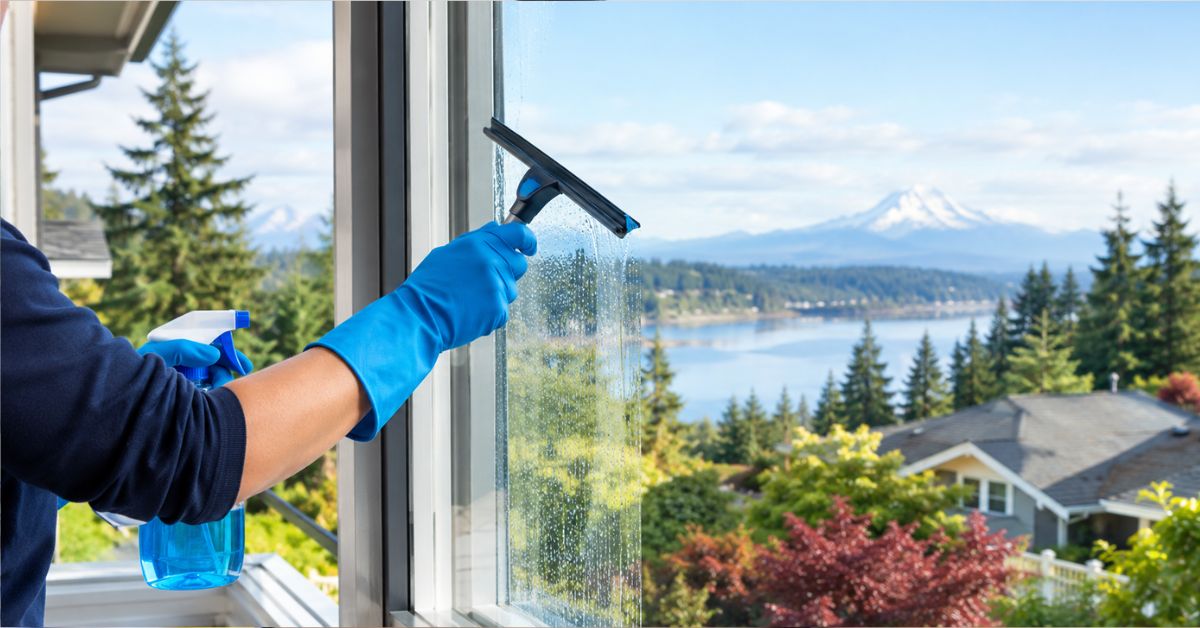
Most of us only think about windows when something goes wrong. A plane fogs up, a corner starts whistling on windy nights, or a storm drops a branch and suddenly the glass is all you can think about. In western Oregon, windows put up with more than their share. The rainy season is long, winters stay damp, and summer heat comes along to stress the same materials from the opposite direction.
This guide covers what that weather does to glass and frames, how to spot trouble early, how to think through repair versus replacement, and what to look for in a contractor. It’s written with homeowners in and around Boring in mind, though most of it applies to any home in a damp climate.
Why Windows Work Harder Here
Homes in the Portland metro area and the towns east of it live with months of rain. Moisture sits against frames, sills, and seals for weeks at a time, and mild winters keep condensation a constant possibility. Then summer arrives and the same materials expand in the heat. Add wind-blown debris and the occasional falling limb in storm season, and you have a lot of wear on the parts that matter: the glass, the sealed gap between panes, the weatherstripping, the frame, and the hardware. A window can look perfectly fine from across the room while its seal is failing or its frame is quietly soaking up water.
That’s one reason many homeowners lean on a local specialist instead of treating windows as a one-time purchase. A nearby provider like Clear View Glass Company can look at how your windows are holding up under local conditions, whether the problem is a cracked pane, a worn seal, or a frame that no longer closes properly. Small problems caught early are usually simpler and cheaper to fix than ones that have had time to spread into the surrounding wall.
Signs Your Windows or Glass Need Attention
Windows rarely fail all at once. Most give you warnings, and knowing what they look like keeps repair on the table as an option.
Fog or moisture between the panes
Condensation on the room-facing side of a window usually points to indoor humidity. Moisture trapped between two panes is different. It generally means the seal around the insulated glass unit has failed and damp air has gotten in. The window may open and close normally, but its insulating ability has dropped. If you see a permanent haze or cloudiness that wipes away with nothing, that’s the sign.
Drafts and stubborn cold spots
If you can feel moving air near a closed window, or one room never holds its temperature, the cause could be worn weatherstripping, a warped sash, a bad seal, or gaps around the frame. On a windy day, hold your hand near the edges of the window, or try a thin strip of tissue or a lit incense stick to reveal subtle air movement. Drafts waste heating energy and make a room feel less comfortable than it should.
Cracks and chips
A small chip can look harmless, but glass is under constant slight stress from temperature changes and the natural movement of a house. Chips spread, sometimes overnight when temperatures swing. Any crack in a window, patio door, or glass panel deserves prompt attention, since it weakens the glass and can become a safety problem.
Windows that stick or won’t lock
A window that’s hard to open or close may have swollen or warped framing, damaged tracks, worn rollers, or broken hardware. A lock that no longer lines up is more than an inconvenience. It affects security and weather resistance, because a window that doesn’t seat tightly can’t seal tightly either.
Soft spots, stains, or peeling paint
Check sills and frames, especially on the north side of the house and under overhangs where moisture lingers. Peeling paint, dark staining, soft wood, or discolored drywall below a window can mean water is getting in. Take this one seriously. Hidden moisture can damage insulation and wall materials long before it shows up on the inside of the house.
Repair or Replace?
Not every problem calls for new windows, and not every problem can be fixed with a patch. The right answer usually comes down to a few things.
Start with what’s actually wrong. A cracked single pane, a broken balance, a worn lock, or tired weatherstripping can often be handled individually. A failed insulated glass unit can sometimes be swapped without replacing the whole window, provided the frame is still sound.
The frame is the next question. If it’s rotted, badly warped, or no longer square in the opening, new glass won’t fix the underlying issue. A solid frame is what makes a glass-only repair worth doing.
Age matters too. Older single-pane windows weren’t built to today’s efficiency expectations, and if several windows are failing at once, replacing them together may make more sense than paying for a string of separate repairs. Finally, think about what you want out of the job. Some people just want a leak or a draft gone. Others are after better comfort, less street noise, stronger security, or a refreshed look, and those goals can push the decision toward a bigger upgrade.
Whoever you hire should walk you through these tradeoffs and explain why they recommend one path over another. If you only ever hear about the most expensive option, that’s worth noticing.
A Quick Primer on Glass Options
When replacement comes up, the vocabulary can feel like a lot. A few basics help.
Single-pane windows use one layer of glass and offer limited insulation. Double-pane units place a sealed, air- or gas-filled space between two layers, which slows heat transfer and helps reduce condensation on interior surfaces. Low-E glass adds a thin, nearly invisible coating that reflects heat while still letting daylight through. In a region with cool, damp winters it can help keep warmth inside, and in warmer months it can reduce the heat coming in.
For doors and other high-contact areas, you’ll hear about two kinds of safety glass. Tempered glass is heat-treated to be much stronger than ordinary glass, and when it breaks it crumbles into small, relatively blunt pieces instead of sharp shards. Laminated glass has a plastic interlayer between sheets of glass, so broken pieces tend to stay bonded in place, which can improve security and cut down on noise.
Frame material matters in a wet climate, too. Vinyl and fiberglass are often chosen for their resistance to moisture-related problems. Wood has a traditional look but usually asks for more upkeep. Aluminum and other options have their own tradeoffs. The best fit depends on your home’s style, your budget, and how much maintenance you’re willing to take on.
Glass Beyond the Windows
Glass work isn’t limited to the windows in your walls. Homeowners also run into questions about sliding patio doors, storm doors, shower enclosures, mirrors, tabletops, and cabinet inserts. Sliding glass doors see heavy daily use, and failing rollers, damaged tracks, and fogged panels are common complaints.
Safety glass requirements apply in many of these spots. Glass near doors and in bathrooms often needs to be tempered or laminated, and for good reason. If you’re replacing glass in one of those locations, ask your contractor which type is appropriate instead of assuming standard glass will do.
If a Window Breaks
Accidents happen, especially during storm season. If a window or glass door breaks:
- Keep people and pets away from the area. Broken glass travels farther than you’d expect.
- Wear sturdy gloves and closed-toe shoes if you need to clear larger pieces. Use a vacuum or a damp paper towel for fine fragments, not bare hands.
- Cover the opening temporarily with heavy plastic sheeting or a piece of plywood to keep out rain and animals.
- Take photos of the damage before cleanup in case you need them for an insurance claim.
- Call a local glass professional to assess the damage and schedule a proper repair.
Leave large, jagged pieces that are still stuck in the frame alone. Removing them calls for the right tools and some experience.
Choosing a Glass and Window Contractor
Windows protect your home from weather, noise, and intruders, so the quality of the installation matters as much as the product itself. A few practical checks go a long way.
Look for a company that actually works in your area. Local contractors tend to be more familiar with regional weather, common home styles, and typical building practices, and their reputation is easier to verify through reviews and neighbors. Ask for a written estimate that spells out the scope of work, materials, and timeline in plain language, and be wary of vague quotes or pressure to decide on the spot. Confirm that the contractor meets Oregon’s requirements and carries appropriate insurance, and don’t hesitate to ask for proof.
Installation details deserve a question or two as well. Proper flashing, sealing, and fit are what keep water out, so ask how the crew handles the opening and surrounding materials, not just how the finished window will look. Ask about warranties too: what’s covered, for how long, who handles claims, and how the manufacturer’s warranty differs from the installer’s workmanship guarantee.
Simple Habits That Help Windows Last
You don’t need to be a handyman to keep windows in better shape. A little routine upkeep makes a real difference in a damp climate.
- Clear tracks and weep holes with a small brush or vacuum a couple of times a year. Debris can block drainage channels and let water back up.
- Check exterior caulk for cracking, peeling, or gaps, and replace weatherstripping that has gone brittle or flat.
- Run exhaust fans in kitchens and bathrooms, and consider a dehumidifier for rooms that stay damp. Less surface condensation means less damage to sills over time.
- Trim branches that hang over the house. They can scratch or strike glass in windy weather.
- Use a silicone-based lubricant on tracks and hardware. Oil-based products tend to attract dirt.
- Clean glass with gentle cleaners and soft cloths. Abrasive tools can scratch the surface, and cleaning is a good moment to look for early signs of seal failure.
Treat It as Maintenance, Not an Emergency
A foggy pane, a loose latch, or a small gap in the caulk is rarely urgent on the day you notice it. Left alone through several wet seasons, though, small issues can turn into water intrusion, damaged framing, mold, and higher heating bills.
It helps to walk around your home once or twice a year, ideally before the rainy season starts and again in spring. Look at each window from inside and out, jot down anything that seems off, and snap a few photos. That simple record makes it easier to get a useful assessment from a professional, and it comes in handy later if you’re comparing quotes or trying to remember when work was done.
Whether you’re dealing with one cracked pane or planning something bigger, the approach is the same: look closely, ask good questions, and favor clear communication over a quick fix. A little attention now can protect your home, your comfort, and your budget for years.
Window and Glass Care for Pacific Northwest Homes: A Practical Guide for Boring, Oregon Homeowners
Most of us only think about windows when something goes wrong. A pane fogs up, a corner starts whistling on windy nights, or a storm drops a branch and suddenly the glass is all you can think about. In western Oregon, windows put up with more than their share. The rainy season is long, winters stay damp, and summer heat comes along to stress the same materials from the opposite direction.
This guide covers what that weather does to glass and frames, how to spot trouble early, how to think through repair versus replacement, and what to look for in a contractor. It’s written with homeowners in and around Boring in mind, though most of it applies to any home in a damp climate.
Why Windows Work Harder Here
Homes in the Portland metro area and the towns east of it live with months of rain. Moisture sits against frames, sills, and seals for weeks at a time, and mild winters keep condensation a constant possibility. Then summer arrives and the same materials expand in the heat. Add wind-blown debris and the occasional falling limb in storm season, and you have a lot of wear on the parts that matter: the glass, the sealed gap between panes, the weatherstripping, the frame, and the hardware. A window can look perfectly fine from across the room while its seal is failing or its frame is quietly soaking up water.
That’s one reason many homeowners lean on a local specialist instead of treating windows as a one-time purchase. A nearby provider like <a href=”https://clearviewglasscompany.com/boring-or/”>Clear View Glass Company</a> can look at how your windows are holding up under local conditions, whether the problem is a cracked pane, a worn seal, or a frame that no longer closes properly. Small problems caught early are usually simpler and cheaper to fix than ones that have had time to spread into the surrounding wall.
Signs Your Windows or Glass Need Attention
Windows rarely fail all at once. Most give you warnings, and knowing what they look like keeps repair on the table as an option.
Fog or moisture between the panes
Condensation on the room-facing side of a window usually points to indoor humidity. Moisture trapped between two panes is different. It generally means the seal around the insulated glass unit has failed and damp air has gotten in. The window may open and close normally, but its insulating ability has dropped. A permanent haze or cloudiness that won’t wipe away is the giveaway.
Drafts and stubborn cold spots
If you can feel moving air near a closed window, or one room never holds its temperature, the cause could be worn weatherstripping, a warped sash, a bad seal, or gaps around the frame. On a windy day, hold your hand near the edges of the window, or try a thin strip of tissue or a lit incense stick to reveal subtle air movement. Drafts waste heating energy and make a room feel less comfortable than it should.
Cracks and chips
A small chip can look harmless, but glass is under constant slight stress from temperature changes and the natural movement of a house. Chips spread, sometimes overnight when temperatures swing. Any crack in a window, patio door, or glass panel deserves prompt attention, since it weakens the glass and can become a safety problem.
Windows that stick or won’t lock
A window that’s hard to open or close may have swollen or warped framing, damaged tracks, worn rollers, or broken hardware. A lock that no longer lines up is more than an inconvenience. It affects security and weather resistance, because a window that doesn’t seat tightly can’t seal tightly either.
Soft spots, stains, or peeling paint
Check sills and frames, especially on the north side of the house and under overhangs where moisture lingers. Peeling paint, dark staining, soft wood, or discolored drywall below a window can mean water is getting in. Take this one seriously. Hidden moisture can damage insulation and wall materials long before it shows up on the inside of the house.
Repair or Replace?
Not every problem calls for new windows, and not every problem can be fixed with a patch. The right answer usually comes down to a few things.
Start with what’s actually wrong. A cracked single pane, a broken balance, a worn lock, or tired weatherstripping can often be handled individually. A failed insulated glass unit can sometimes be swapped without replacing the whole window, provided the frame is still sound.
The frame is the next question. If it’s rotted, badly warped, or no longer square in the opening, new glass won’t fix the underlying issue. A solid frame is what makes a glass-only repair worth doing.
Age matters too. Older single-pane windows weren’t built to today’s efficiency expectations, and if several windows are failing at once, replacing them together may make more sense than paying for a string of separate repairs. Finally, think about what you want out of the job. Some people just want a leak or a draft gone. Others are after better comfort, less street noise, stronger security, or a refreshed look, and those goals can push the decision toward a bigger upgrade.
Whoever you hire should walk you through these tradeoffs and explain why they recommend one path over another. If you only ever hear about the most expensive option, that’s worth noticing.
A Quick Primer on Glass Options
When replacement comes up, the vocabulary can feel like a lot. A few basics help.
Single-pane windows use one layer of glass and offer limited insulation. Double-pane units place a sealed, air- or gas-filled space between two layers, which slows heat transfer and helps reduce condensation on interior surfaces. Low-E glass adds a thin, nearly invisible coating that reflects heat while still letting daylight through. In a region with cool, damp winters it can help keep warmth inside, and in warmer months it can reduce the heat coming in.
For doors and other high-contact areas, you’ll hear about two kinds of safety glass. Tempered glass is heat-treated to be much stronger than ordinary glass, and when it breaks it crumbles into small, relatively blunt pieces instead of sharp shards. Laminated glass has a plastic interlayer between sheets of glass, so broken pieces tend to stay bonded in place, which can improve security and cut down on noise.
Frame material matters in a wet climate, too. Vinyl and fiberglass are often chosen for their resistance to moisture-related problems. Wood has a traditional look but usually asks for more upkeep. Aluminum and other options have their own tradeoffs. The best fit depends on your home’s style, your budget, and how much maintenance you’re willing to take on.
Glass Beyond the Windows
Glass work isn’t limited to the windows in your walls. Homeowners also run into questions about sliding patio doors, storm doors, shower enclosures, mirrors, tabletops, and cabinet inserts. Sliding glass doors see heavy daily use, and failing rollers, damaged tracks, and fogged panels are common complaints.
Safety glass requirements apply in many of these spots. Glass near doors and in bathrooms often needs to be tempered or laminated, and for good reason. If you’re replacing glass in one of those locations, ask your contractor which type is appropriate instead of assuming standard glass will do.
If a Window Breaks
Accidents happen, especially during storm season. If a window or glass door breaks:
- Keep people and pets away from the area. Broken glass travels farther than you’d expect.
- Wear sturdy gloves and closed-toe shoes if you need to clear larger pieces. Use a vacuum or a damp paper towel for fine fragments, not bare hands.
- Cover the opening temporarily with heavy plastic sheeting or a piece of plywood to keep out rain and animals.
- Take photos of the damage before cleanup in case you need them for an insurance claim.
- Call a local glass professional to assess the damage and schedule a proper repair.
Leave large, jagged pieces that are still stuck in the frame alone. Removing them calls for the right tools and some experience.
Choosing a Glass and Window Contractor
Windows protect your home from weather, noise, and intruders, so the quality of the installation matters as much as the product itself. A few practical checks go a long way.
Look for a company that actually works in your area. Local contractors tend to be more familiar with regional weather, common home styles, and typical building practices, and their reputation is easier to verify through reviews and neighbors. Ask for a written estimate that spells out the scope of work, materials, and timeline in plain language, and be wary of vague quotes or pressure to decide on the spot. Confirm that the contractor meets Oregon’s requirements and carries appropriate insurance, and don’t hesitate to ask for proof.
Installation details deserve a question or two as well. Proper flashing, sealing, and fit are what keep water out, so ask how the crew handles the opening and surrounding materials, not just how the finished window will look. Ask about warranties too: what’s covered, for how long, who handles claims, and how the manufacturer’s warranty differs from the installer’s workmanship guarantee.
Simple Habits That Help Windows Last
You don’t need to be a handyman to keep windows in better shape. A little routine upkeep makes a real difference in a damp climate.
- Clear tracks and weep holes with a small brush or vacuum a couple of times a year. Debris can block drainage channels and let water back up.
- Check exterior caulk for cracking, peeling, or gaps, and replace weatherstripping that has gone brittle or flat.
- Run exhaust fans in kitchens and bathrooms, and consider a dehumidifier for rooms that stay damp. Less surface condensation means less damage to sills over time.
- Trim branches that hang over the house. They can scratch or strike glass in windy weather.
- Use a silicone-based lubricant on tracks and hardware. Oil-based products tend to attract dirt.
- Clean glass with gentle cleaners and soft cloths. Abrasive tools can scratch the surface, and cleaning is a good moment to look for early signs of seal failure.
Treat It as Maintenance, Not an Emergency
A foggy pane, a loose latch, or a small gap in the caulk is rarely urgent on the day you notice it. Left alone through several wet seasons, though, small issues can turn into water intrusion, damaged framing, mold, and higher heating bills.
It helps to walk around your home once or twice a year, ideally before the rainy season starts and again in spring. Look at each window from inside and out, jot down anything that seems off, and snap a few photos. That simple record makes it easier to get a useful assessment from a professional, and it comes in handy later if you’re comparing quotes or trying to remember when work was done.
Whether you’re dealing with one cracked pane or planning something bigger, the approach is the same: look closely, ask good questions, and favor clear communication over a quick fix. A little attention now can protect your home, your comfort, and your budget for years.

Related Posts

Land Clearing, Grading, and Demolition: Getting a Site Ready to Build

Fence Installation Guide: How to Choose and Maintain the Right Fence
