
A well-designed fence can improve privacy, security, curb appeal, and the overall functionality of a residential property. However, choosing and installing a fence involves more than selecting a style that looks attractive. Property owners should consider the purpose of the fence, local conditions, materials, maintenance requirements, and installation quality.
Whether the goal is to create a private backyard, define a property boundary, protect pets, or improve the appearance of a home, understanding the basics of fence installation can make the planning process easier.
Why Professional Fence Installation Matters
The quality of a fence depends heavily on how it is installed. Posts need to be positioned correctly, materials should be appropriate for the environment, and the finished structure should be properly aligned.
Homeowners planning a new fence in South Carolina can explore professional installation options such as Cypress Fencing, particularly when looking for fencing services in the Nexton area.
Professional installation can also help property owners avoid common problems such as uneven posts, unstable sections, incorrect spacing, or gates that do not operate properly.
Choosing the Right Fence Material
Different fencing materials provide different benefits.
Common options include:
- Wood
- Vinyl
- Aluminum
- Steel
- Chain link
- Composite materials
Wood fencing is popular for its traditional appearance and flexibility. Vinyl can provide a low-maintenance alternative, while metal fencing can offer durability and a more open appearance.
The best choice depends on the property’s purpose, budget, desired appearance, and expected maintenance requirements.
Consider the Purpose of the Fence
Before choosing a fence, determine what you want it to accomplish.
A privacy fence may require solid panels with greater height, while a decorative fence may prioritize appearance over visual coverage.
Families with pets may need a design that prevents animals from escaping. Property owners concerned about security may place greater emphasis on height, gate design, and material strength.
Clearly defining the purpose of the fence makes it easier to select an appropriate design.
Think About the Local Environment
Environmental conditions can affect fence performance.
South Carolina properties may experience heat, humidity, rain, and changing weather throughout the year. These conditions can influence how different materials age and how frequently maintenance is required.
Before installation, consider drainage, soil conditions, exposure to sunlight, and nearby landscaping.
A fence designed with the local environment in mind can provide better long-term performance.
Fence Height and Property Layout
Fence height should match the intended purpose while remaining consistent with applicable local requirements.
The property’s layout also matters. Sloping ground, trees, driveways, landscaping, and existing structures can affect the installation process.
A professional installer can evaluate the property and determine how the fence should follow the terrain.
The Importance of Strong Fence Posts
Fence posts provide the structural foundation of many fencing systems.
If posts are not installed correctly, sections may shift, lean, or become unstable over time.
The appropriate post depth and installation method depend on factors such as fence type, soil conditions, height, and local environmental conditions.
Taking time to establish a strong foundation can significantly improve the durability of the finished fence.
Installing Gates Correctly
A fence is only as practical as its access points.
Gates should be positioned where they are convenient to use and should be properly aligned with the surrounding fence.
Gate size, hinges, latches, and overall weight should all be considered during planning.
A poorly installed gate may sag or become difficult to open and close, so this part of the project deserves the same attention as the fence itself.
Maintaining a Wood Fence
Wood fences can provide a warm and natural appearance, but they require regular maintenance.
Moisture, sunlight, insects, and changing temperatures can affect untreated wood over time.
Cleaning the surface periodically and checking for damaged boards can help identify problems early.
Depending on the type of wood and finish, staining or sealing may also help protect the surface and maintain its appearance.
Why Fence Staining Is Important
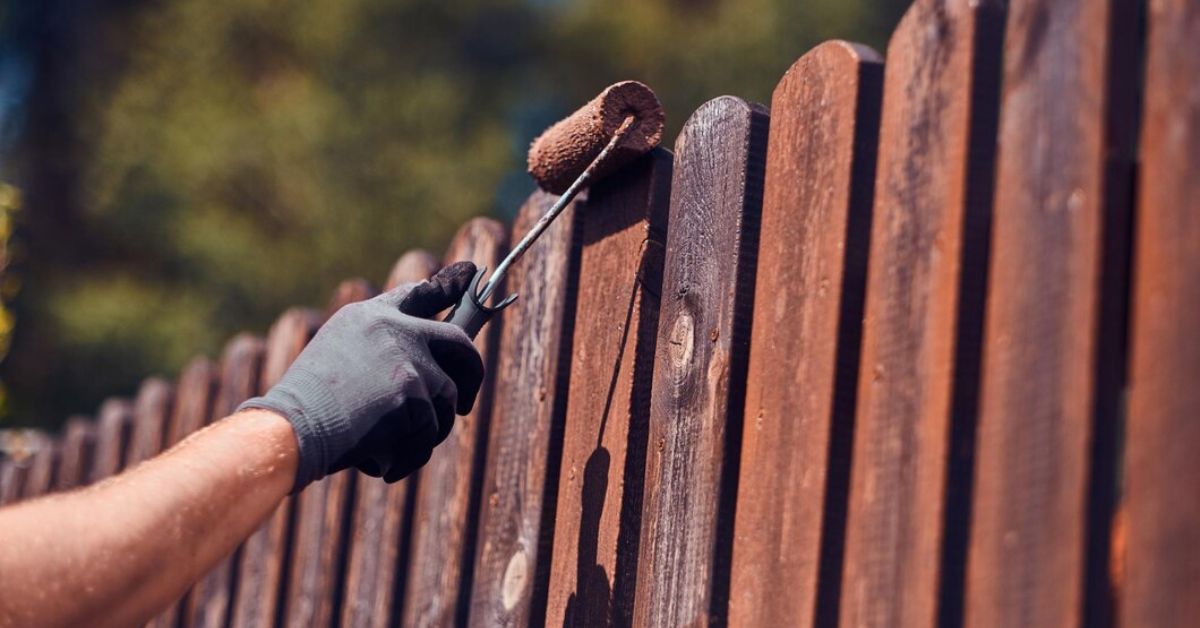
Staining can enhance the appearance of a wood fence while providing an additional layer of protection.
A suitable stain can help reduce the effects of weather exposure and may slow the visual aging of the wood.
Before applying stain, the fence should generally be clean and sufficiently dry. Surface preparation is important because dirt, old finishes, and moisture can affect the final result.
The appropriate staining schedule depends on the material, climate, product used, and condition of the fence.
Repairing Damaged Fence Sections
Even a well-maintained fence can eventually develop problems.
Common issues include:
- Broken boards
- Loose posts
- Damaged rails
- Sagging gates
- Rotting wood
- Discolored surfaces
- Storm damage
Small problems should be addressed before they become larger structural issues.
Replacing a damaged section may be more practical than replacing an entire fence, depending on the extent of the damage and the availability of matching materials.
Cleaning Different Fence Materials
Different materials require different cleaning approaches.
Wood may need gentle cleaning to avoid damaging the surface, while vinyl can often be cleaned with suitable household solutions. Metal fences may require attention to areas where corrosion or surface damage develops.
Always follow the manufacturer’s recommendations when using cleaning products or protective treatments.
Landscaping Around a Fence
Plants can improve the appearance of a fenced property, but landscaping should be planned carefully.
Fast-growing vines and shrubs can place pressure on fence sections or trap moisture against the material.
Trees should also be planted with consideration for their mature size and root systems.
Maintaining reasonable space between vegetation and the fence can make cleaning, inspection, and repairs easier.
When to Replace a Fence
Repair is not always the best option.
A fence may need replacement when extensive sections are structurally damaged, posts have deteriorated, or repeated repairs no longer provide a practical long-term solution.
The condition of the foundation is particularly important. If many posts are unstable, replacing individual boards may not solve the underlying problem.
An inspection can help determine whether repair or replacement makes more sense.
Planning a Fence Installation Project
Before beginning a fence project, property owners should consider several practical details:
- Desired fence style
- Material
- Property boundaries
- Gate locations
- Terrain
- Maintenance requirements
- Budget
- Local regulations
- Landscaping
- Long-term durability
It is also important to confirm the actual property boundary before construction begins. If there is uncertainty, professional property surveying may be appropriate.
Final Thoughts
A properly planned fence can provide privacy, security, visual appeal, and practical value for a property. However, achieving a durable result requires more than selecting an attractive design.
Material selection, strong posts, appropriate installation, properly designed gates, regular maintenance, and timely repairs can all contribute to long-term performance.
For wood fencing, regular cleaning and staining can also help maintain the appearance and condition of the material.