
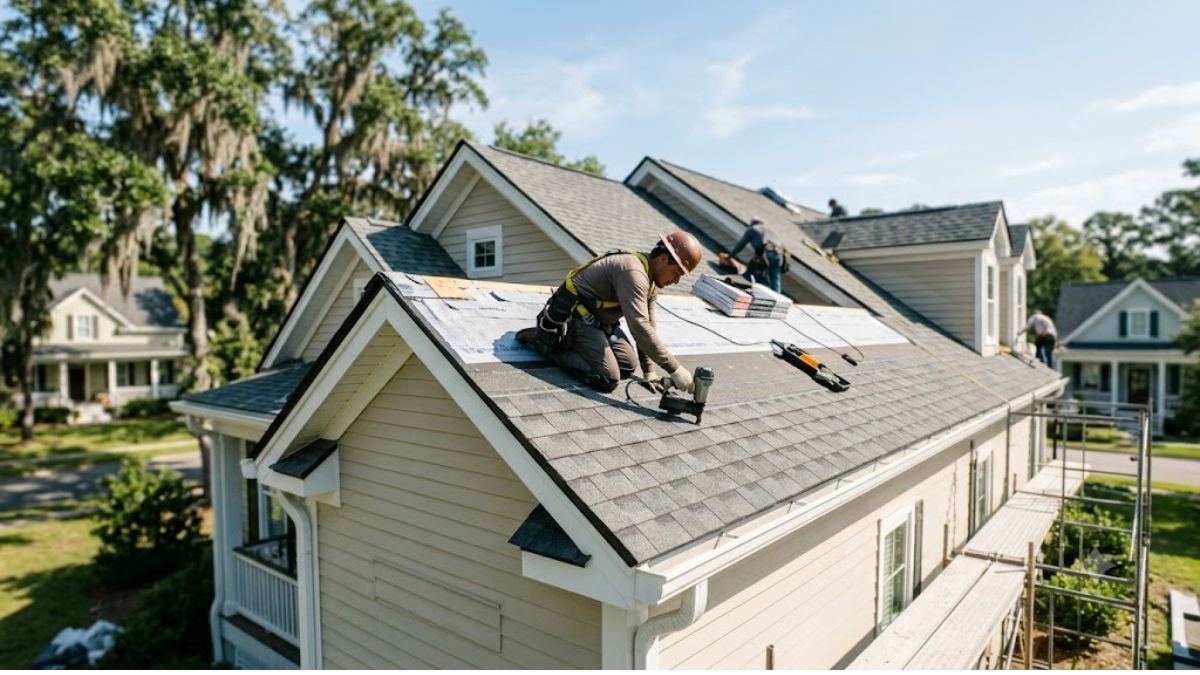
Maintaining a home in coastal South Carolina requires constant vigilance against the elements. Between intense heat, high humidity, powerful windstorms, and torrential summer downpours, your home’s exterior takes a continuous beating year-round. Protecting your property requires a comprehensive exterior system—starting with your roof down to your gutters, siding, and attic ventilation. Partnering with a dedicated local specialist like Cane Bay Roofing, Roofing company Summerville SC ensures your home remains safe, structural, and energy-efficient through every season.
Whether you are dealing with sudden storm damage or preparing for a complete exterior upgrade, understanding how your home’s components work together is essential. This guide walks you through the best practices for roofing, siding, gutter integration, and storm recovery tailored specifically for homes in Dorchester and Berkeley counties.
Lowcountry Climate Factors Impacting Your Home
Summerville homes face environmental stressors that rarely occur in inland regions. Over time, these conditions degrade roofing shingles, warp wood siding, and clog drainage channels.
High Humidity and Biological Growth
Summerville’s warm, damp climate creates an ideal environment for algae, mold, and moss. The blue-green algae Gloeocapsa magma leaves unsightly dark streaks on asphalt shingles. Beyond aesthetics, algae growth holds moisture against roof granules, accelerating structural wear and rotting fascia boards.
Thermal Shock from Intense Sun
South Carolina sun exposure is relentless. Thermal shock occurs when roof temperatures soar during hot summer afternoons and plummet rapidly following a sudden thunderburst. This constant expansion and contraction causes shingles to crack, sealants to pull away, and siding panels to buckle if installed improperly.
Wind-Driven Rain and Tropical Storms
From severe summer thunderstorms to coastal hurricanes, homes must withstand strong gusting winds and horizontal rain. Substandard flashing or loose shingles allow water to penetrate deep into attic framing, creating concealed water damage that goes unnoticed until major repairs are required.
Evaluating Exterior Protection Materials
Choosing the right materials for your roof, siding, and gutter systems balances durability, maintenance requirements, and overall curb appeal.
Roof Materials: Asphalt Shingles vs. Standing Seam Metal
- Architectural Asphalt Shingles: The most popular residential roofing choice in Summerville. Multi-layer architectural shingles offer multidimensional texture, carry wind resistance ratings up to 130 mph, and typically last 25 to 30 years. Modern varieties feature copper-infused granules to naturally resist algae staining.
- Standing Seam Metal Roofing: Rapidly growing in popularity due to exceptional wind resistance and longevity. Concealed fasteners eliminate potential leak points, and solar-reflective metal panels lower air conditioning demands during humid summer months, lasting 50 years or longer.
Exterior Siding Solutions
Siding forms your home’s secondary protective envelope, shielding interior wall cavities from moisture and pests.
| Siding Material | Durability & Lifespan | Humidity & Pest Resistance | Maintenance Level |
| Fiber Cement (James Hardie) | 50+ Years | Impervious to rot, fire, and termites | Low (holds paint 2x longer than wood) |
| Insulated Vinyl Siding | 30–40 Years | Excellent moisture resistance | Minimal (occasional soft washing) |
| Engineered Wood | 25–30 Years | High moisture protection when sealed | Moderate (requires repainting over time) |
Seamless Gutter Systems
Gutters direct roof runoff safely away from your home’s foundation. Standard sectional gutters often fail at joint seams under heavy downpours. High-capacity, seamless aluminum gutters fitted with micro-mesh leaf guards keep pine needles out and protect your landscaping, foundation, and siding from splashback damage.
Step-by-Step Guide to Storm Damage Assessment
When severe weather sweeps through Berkeley County, taking immediate, structured action helps minimize secondary water damage to interior living spaces.
┌─────────────────┐     ┌─────────────────┐     ┌─────────────────┐     ┌─────────────────┐
│ Ground-Level    │ ──► │ Contact Local   │ ──► │ Comprehensive   │ ──► │ File Insurance  │
│ Visual Check    │     │ Contractor      │     │ Roof Inspection │     │ Claim with Data │
└─────────────────┘     └─────────────────┘     └─────────────────┘     └─────────────────┘
                                                                                 │
                                                                                 ▼
┌─────────────────┐     ┌─────────────────┐     ┌─────────────────┐     ┌─────────────────┐
│ Final Sign-off  │ ──► │ Quality Repair  │ ──► │ Adjuster Onsite │ ──► │ Temporary Tarping│
│ & Warranty      │     │ or Replacement  │     │ Meeting         │     │ & Stabilization │
└─────────────────┘     └─────────────────┘     └─────────────────┘     └─────────────────┘
- Ground-Level Inspection: Safely walk around your perimeter using binoculars to check for missing shingles, lifted flashing, dented gutters, or fallen limbs. Avoid climbing onto wet or damaged roofs.
- Emergency Mitigation: If water is actively leaking inside, enlist certified professionals immediately to install temporary tarping over damaged roof sections.
- Thorough Documentation: Take detailed photos and videos of all exterior damage, including siding impacts, broken gutters, and water stains on ceilings or in the attic.
- Partner with Local Contractors: Work alongside established local specialists like canebayroofing.com who provide detailed, photo-documented reports to help streamline the insurance claims process.
Attic Ventilation: The Hidden Longevity Factor
Roof performance depends heavily on what happens underneath the deck. In coastal climates, trapped hot air inside an unventilated attic can easily exceed 150°F during midsummer.
Dangers of Poor Attic Ventilation:
- Premature Shingle Aging: Excessive heat bakes asphalt shingles from below, causing adhesives to break down and shingles to curl prematurely.
- Moisture Accumulation: Winter humidity condenses on internal roof rafters, fostering mold growth and rotting structural wood deck panels.
- Excessive Energy Costs: Trapped attic heat forces your home’s HVAC system to work significantly harder, driving up summer electric bills.
A balanced ventilation system matches continuous soffit intake vents with ridge exhaust vents, establishing natural airflow that continuously pulls cool exterior air in while exhausting hot, humid air.
Frequently Asked Questions
How long does a standard residential roof replacement take?
For most single-family homes in Summerville, a standard roof replacement is completed in 1 to 2 days. Intricate roof profiles, heavy structural repairs, or large custom metal projects may take 3 to 5 days.
Will insurance cover a roof replacement after a storm?
Insurance typically covers sudden, unpreventable storm events such as wind damage, hail impacts, falling trees, or hurricane damage. Standard age-related wear, lack of maintenance, or rot are generally excluded. A certified contractor can conduct an evaluation to help determine whether storm damage justifies an insurance claim.
How often should I inspect my home’s exterior?
Schedule a professional roof, siding, and gutter inspection once a year—ideally in late summer or early fall—and immediately following any severe windstorm or hurricane event.
Conclusion
Your roof, siding, and gutters work as an integrated protection system. Choosing climate-resilient materials, staying current on routine inspections, and securing dependable local contractors ensure your home stays protected, attractive, and energy-efficient for years to come.