

Philodendron Gloriosum Guide

One of the most popular houseplants among indoor gardeners is certainly the philodendron gloriosum. This tropical beauty is famous for its enormous heart-shaped leaves with bold white veins that would stand out in any collection of houseplants. Because of its glossy leaves, elegant looks, and reasonable care requirements, it has become a favorite houseplant for adding a touch of greenery to your home.
Out of the many other snake plants, this creeping philodendron grows on or near the ground rather than climbing native rainforests throughout Central and South America. Despite its exotic appearance, the plant actually does very well indoors when given an appropriate mix of light, humidity, watering, and well-draining soil.
For readers of DreamHomeForUs. According to uprootingthatweeds. While giving both texture and color, it cultivates a soothing environment at the same time—bringing tropical sophistication into all kinds of modern, farmhouse, Scandinavian, and contemporary aesthetics.
Why it is a Favorite among Plant Lovers
The plant became renowned largely because of how beautiful its foliage is. Tradewinds Trading Cards. Each velvety leafy canvas features deep green pigmentation accented by bright white veins for a dramatic contrast likely to steal the show in any area.
Unlike climbing philodendrons, this species is a ground cover because, rather than climbing, it has creeping stems or rhizomes. And unlike other indoor plants that become smaller as they mature, the leaves on this plant just keep getting bigger and more glorious, rewarding the patient plant owner.
Its classic look can easily fit into multiple decor styles. It would suit a plant shelf, coffee table top, or any stand nicely where it does not burst through the decor.
Light, Water, and Soil Requirements
To grow healthy, you must provide it with good growing conditions. These plants thrive in bright but indirect light so the leaves don’t burn. Do not expose them to harsh afternoon sunlight, as it can scorch the soft leaves.
Only fertilize when the soil is dry on top. Root problems are often caused by an excessive amount of water, so let excess moisture drain naturally.
Get a coarse, dry combination that contains orchard peat, perlite, peat moss, and coco coir. It creates a growing medium that allows good root aeration and drains well without becoming waterlogged.
Philodendron Gloriosum: Essential Care Tips
Gloriosum philodendron care means providing moderate to high humidity levels, particularly when the weather warms up. Like using a humidifier or surround it with other houseplants to mimic its tropical environment.
Use a balanced liquid fertilizer once a month in spring and summer to give the foliage a nutrient boost. Wipe dust off leaves – Regularly use a soft, damp cloth to wipe off the dust on the leaves, as it will help improve light absorption.
Repot the plant in a wider container when the cotyledons. Giving the rhizome room to spread and enables larger, healthier leaves.
If tended to regularly, this stunning plant can easily be among the most beautiful elements of your home garden and will look good all year round.
Common Issues with philodendron gloriosum (and Simple Solutions)

Philodendron gloriosum makes an easy tropical house plant, whereas some issues can periodically arise if optimal growing circumstances are not attained. The good news is that almost all the problems can be fixed with a few small tweaks.
Get your watering right, or at least make sure that the drainage is up to scratch, and you will not need to deal with brown leaves on your plants! Yellow leaves are pretty much always a result of overwatering or simply poor drainage, while browning at the edges up along here? That could be low humidity or that you still have underwatering. The plant will start to get a darker shade of green on the leaves, which indicates the plant may not be getting sufficient bright indirect filtered light. Placing it in the sunniest spot will promote better, fuller growth, but avoid direct contact with the bright sun.
An additional important aspect of philodendron gloriosum care is inspecting for pests like spider mites, mealybugs, and fungus gnats. Check leaves top and bottom regularly, and treat infestations early with insecticidal soap or neem oil. Keeping the leaves clean and ensuring good air circulation, it helps to avoid plant problems.
Philodendron Gloriosum: Home Decoration Ideas for Modern Homes
Its elegant foliage endows this tropical plant with great decorative qualities for most any interior. With its huge, fluffy leaves, it definitely makes an impression and warms up your interior with texture.
The following are some examples in which it can be presented elegantly:
- Set it on a plant stand next to a well-lit window in filtered light.
- Plant in a shallow ceramic planter to showcase its creeping growing habit.
- Combine it with smaller tropical plants for an indoor jungle.
- Show it off in your living room or reading nook and let it be an organic conversation starter.
- Add it to a home office for a soothing and revitalizing work environment.
This is one of the biggest advantages of Philodendron gloriosum because it can be an element to very modern, minimalistic, Scandinavian, farmhouse, and contemporary styles. Its foliage is dramatic and photogenic, providing beauty year-round with very little complicated care.
Frequently Asked Questions:
Q1: Is this a climbing plant, Philodendron gloriosum?
A: No. Unlike some of the popular climbing philodendrons that you may have encountered before, this one grows horizontally through rhizomes rather than climbing supports or moss poles.
Q2: How often should I water it?
A: Ensure you water when the top one to two inches of soil feels dry. Do not allow the soil to remain consistently wet, as it can lead to root rot.
Q3: Does it need high humidity?
A: Yes. Signs of too much warmth include smaller leaves and slower growth, so be careful not to overheat your Monstera. Good air humidity: High air humidity promotes larger leaf formation and healthier growth, but the plant tolerates average indoor conditions.
Q4: What type of pot is best?
A: It’s better to use a wide pot than a deep one because it will give room for the rhizome to expand naturally as the plant grows.
Q5: Is Philodendron Gloriosum a good plant for beginners?
A: Yes. It prefers stable conditions but has an easy-care routine that helps beginner plant parents who are willing to provide the right light and water.
Conclusion:
If you are looking for a piece that brings some tropical elegance to your home, the philodendron gloriosum is an excellent candidate. It is undoubtedly a unique houseplant, with its large velvety leaves and striking white veins entwined in a crawling manner. The plant can live indoors for many years with the right mix of bright indirect light, well-draining soil, good watering practices, and moderate humidity.
Regardless of whether you are beginning an indoor plant collection or expanding your current one, the philodendron gloriosum is a stunning specimen that will bring joy to your home for years to come! Given the right basis for care and growing conditions, this remarkable specimen will transform into a lovely centerpiece that adds warmth and style to your home.

Related Posts

How to Keep Your Lawn Healthy Year-Round in Charleston
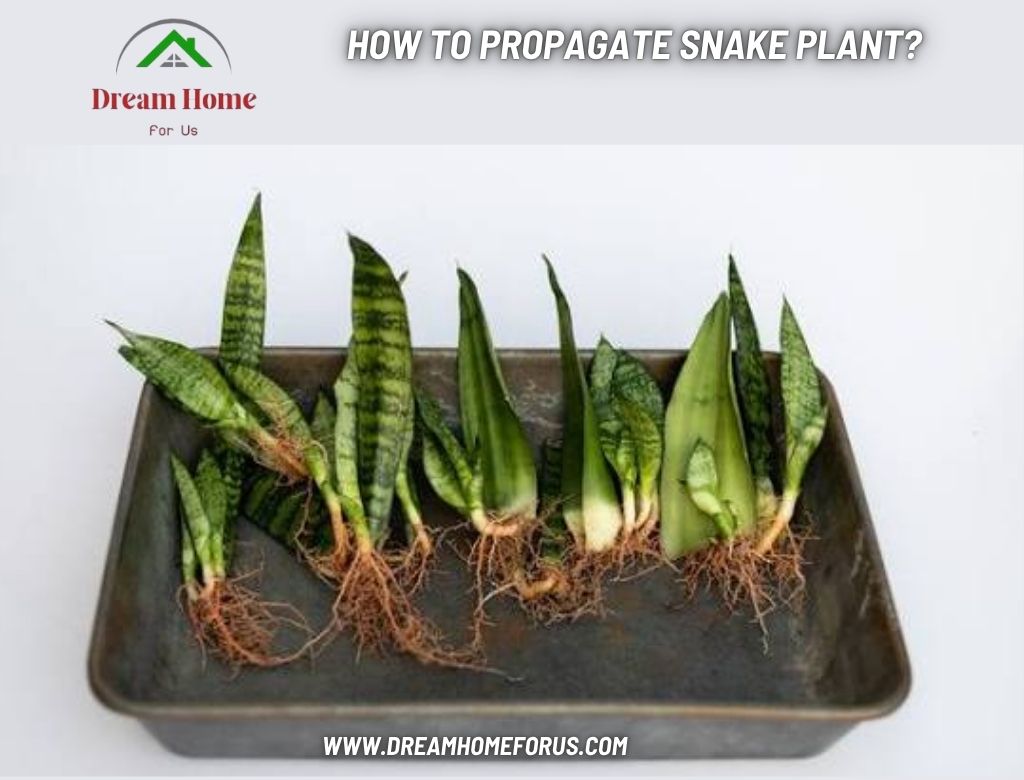
How to Propagate Snake Plant?
