

Difference Between Vinyl and Laminate Flooring
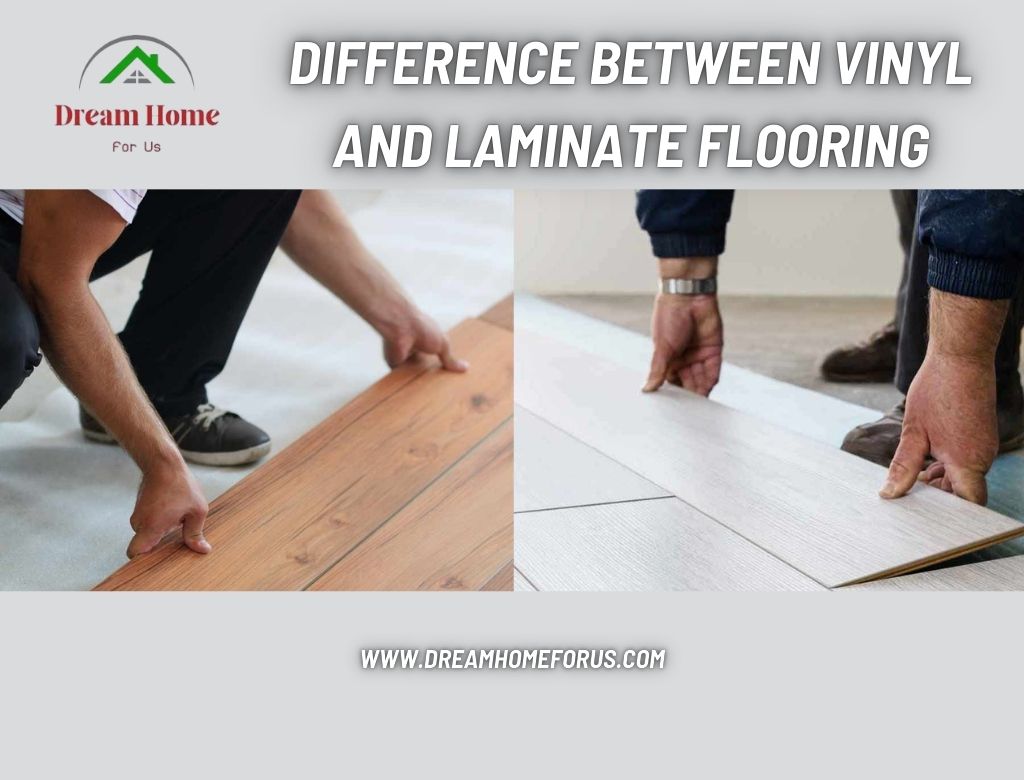
The Difference Between Vinyl and Laminate Flooring begins with what they’re made of.
Vinyl Flooring
Vinyl is a 100% artificial flooring product that is known for its stain and scratch resistance. The layering of it:
- Wear layer (protects from scratches)
- Design layer (realistic wood/stone look)
- Core layer (rigidity and strength)
- Backing layer (stability)
- Vinyl is waterproof by nature because it’s plastic.
Laminate Flooring
Laminate is a multi-layer synthetic product constructed using wood fibre, which has been compressed (HDF), and attached with resin. It has:
- A layer of wood or stone from an original photograph
- A protective wear layer
- A wood-based core
Which means, laminate is not water-resistant – one of the biggest difference between vinyl and laminate flooring.
Water Resistance: Vinyl Vs Laminate Flooring When it comes to Water resistance
The major difference between vinyl and laminate flooring is that vinyl flooring is more waterproof than wood, but laminate can be installed very quickly.
Vinyl Flooring Is 100% Waterproofread for use in even the most moisture-heavy areas: kitchens, basements, bathrooms, and beyond!
Laminate isn’t waterproof – just water-resistant. When water pools, it can lead to swelling, warping, and permanent damage.
For Today’s featured homes on Dreamhomeforus.com. According to Snughausdesign.com, vinyl is commonly recommended for areas that are “traditionally prone to humidity.
- Durability. In terms of durability, vinyl and laminate flooring compare directly.
- Wear and Tear One of the biggest differences between laminate and vinyl flooring is durability.
- Vinyl
- Water and stain resistant. Scratch proof
- Flexible and crack-resistant
- Ideal for high-traffic homes
- Laminate
- Strong against scratches
- May warp and expand with moisture
- Not as bathroom or kitchen-friendly
When you have kids, pets, or a constant flow of guests in the house, vinyl is typically the better long-term investment.
Appearance: So what is the Difference Between Vinyl and Laminate Flooring aesthetically?
As technology continues to change, there’s very little in terms of aesthetics that sets vinyl apart from laminate anymore.
Its texture can also give laminate a hardwood look.
Vinyl now comes in a sizeable array of patterns (wood, marble, and stone looks), and budget, mid-range, or high-end styles to give your room a unique look.
Both look stylish, though laminate wins for realism, and vinyl is more varied when it comes to designs.
- Comfort and Noise – Vinyl vs Laminate Flooring
- Cosiness plays a large part in contemporary house design.
It makes your shoes sound softer (silent) when moving or walking on it, and warmer because of thermal insulation properties.
Laminate is stiffer and colder to the touch, and can be louder without an underlayment.
This is another comfort-related item that separates the two plenty, especially for homes where families are present.
Difference between vinyl and laminate flooring in Installation
Both are easy-to- install with a bit of DIY adhesion applied, but the differing factor between vinyl vs. laminate flooring is their subfloor needs.
- Feature
- Vinyl
- Laminate
- Subfloor Needs
- Can handle minor flaws
- Needs a smooth base
- Installation
- Glue-down or click-lock
- Click-lock floating
- Speed
- Fast
- Fast
- Vinyl is also more forgiving of uneven floors.
Cost of Vinyl vs Laminate Flooring
Money counts in any home project. The distinction between vinyl and laminate flooring also takes into account pricing.
- Flooring
- Average Cost per Sq Ft
- Vinyl
- $2 – $6
- Laminate
- $1 – $4
Laminate is a less expensive initial investment material, but vinyl’s durability can make it more cost-effective in the long run.
Vinyl vs. Laminate Flooring: Room Scenes. Vinyl and laminate are both popular flooring options, particularly for homeowners looking to save money on their renovation.
Knowing where they work best: The Difference between vinyl and laminate flooring.
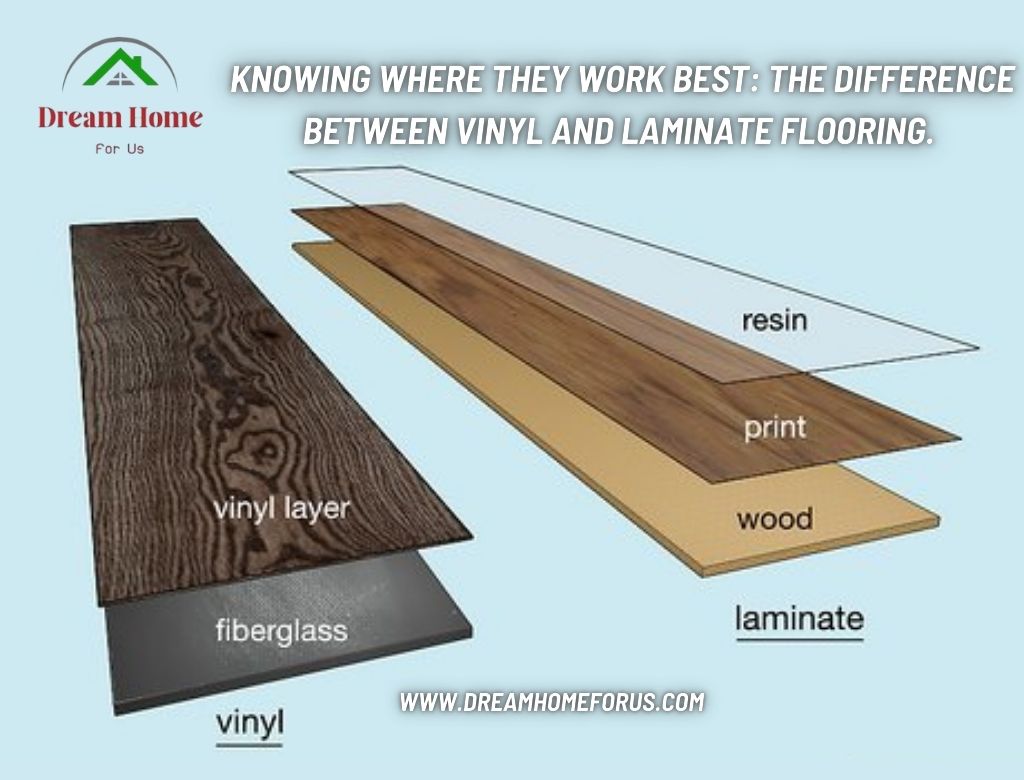
Knowing where each product works best differentiates the two types of floors.
- Best for Vinyl
- Bathrooms
- Kitchens
- Basements
- Laundry rooms
- Best for Laminate
- Bedrooms
- Living rooms
- Dining rooms
Frequently Asked Questions: What’s the Difference between vinyl and laminate flooring?
Q1: What is the major difference between vinyl flooring and laminate flooring?
A: The biggest distinction is water resistance — vinyl is waterproof; laminate is not.
Q2: Which is good for kitchens?
A: Vinyl is preferred, too, because it repels spills and water.
Q3: Does Laminate Appear More Natural?
A: Laminate does indeed tend to appear more like real wood.
Q4: Which lasts longer?
A: Vinyl typically lasts longer, especially in wet areas.
Q5: Can I do an install myself?
A: Yes, with the click-lock systems, they are both friendly for DIYs to use.
Conclusion:
As you plan your dream house, flooring is a major consideration in terms of comfort, style, and durability. Vinyl vs. Laminate Flooring Ultimately, when comparing vinyl vs. laminate flooring, there are a lot of factors to consider, including water-resistance, application, material cost, and the cost to install.
Vinyl is a great choice for moisture-prone, contemporary homes, while laminate works well for dry, snug interiors. They’re both fashionable and affordable, easy to install, and the one you choose will keep your home looking beautiful for years.
At dreamhomeforus.com, we think every home and budget deserves the perfect floor – now you have everything you need to make a wise purchase.

Related Posts

Land Clearing, Grading, and Demolition: Getting a Site Ready to Build

Window and Glass Care for Pacific Northwest Homes: A Practical Guide for Boring, Oregon Homeowners
