
Snake Plant Care: Healthy Indoor Plant

Indoor plants introduce life, freshness, and organic beauty to any home, and none are as beloved as the snake plant. It is known for its tall, sword-like foliage and outstanding durability, making it the ideal plant for gardeners from novice to expert alike. With full snake plant care, you can keep it healthy, lively, and lovely all year round!
Known by different names, the snake plant or Sansevieria or “mother-in-law’s tongue” beautifully complements modern, minimalist, farmhouse, and traditional decor styles. It is low maintenance, which makes it a perfect option for busy homeowners. In the living room, bedroom, office, or hallway, it will immediately add a touch of green, style, and atmosphere that calms the heart.
But snake plant care is not a challenging feat for those who want to treat their indoor space, as this houseplant lasts for years and complements almost any décor.
Snake Plant Care: Selecting a Perfect Location
Choosing the right spot is the ideal first step to cultivating a strong snake plant. While this hardy plant can survive in a variety of environments, it prefers bright, indirect light. It is also able to withstand low-light situations, so it also suits the apartment & room with a little sunlight.
Do not get the plant in sustained periods of intense afternoon sunlight, as it can burn the leaves. Similarly, do not place in freezing temperatures and currents of cold air; these will also harm the foliage.
Healthy development is achieved if they are housed in a stable indoor temperature of between 18°C and 29°C (65°F–85°F). It is also advised to rotate the pot every few weeks, which makes sure that the plant gets a good amount of sunlight from all angles.
Watering and Soil Requirements
Top 2 Biggest Mistakes to Avoid in Orchids (You can Start as a Beginner) Overwatering: The most common mistake is to water the plant too much. Snake plants facilitate natural water retention in their thick foliage, making them more resistant to dry environments than to saturated soil.
To care for a snake plant, it is important to only water when the soil feels bone dry. In winter, cut back on watering; the plant is dormant and will require less moisture.
In order to prevent water from pooling on the roots, plant in an appropriate cactus or succulent potting mix with good drainage. So it is equally important to select a pot with drainage holes. Root rot could be fatal due to standing water.
Fertilising and General Care of Snake Plants
Snake plants are one of the least demanding houseplants and require very little feeding compared to many others. Feed your pigeons with a balanced liquid fertilizer for houseplants (In spring and summer, every two to four weeks). Feeding is not necessary very often in the fall and winter.
Routine maintenance is simple. Clean the leaves with a damp, soft cloth to keep them shiny and free of dust. Use secure scissors to cut down any yellow or damaged leaves; this will assist in new growth and also keep your plant looking tidy.
Give it good watering, proper lighting, and some occasional performing on your part, and your snake plant will keep thriving, properly bringing a pure touch to your property.
Easy Snake Plant Care: Common Problems and Simple Solutions

Despite being known as tough and hardy plants that are low-maintenance, snake plants can still develop issues if their basic needs are poorly met. Luckily, the majority of errors are apparent and simple to resolve.
Drooping yellow leaves usually mean the plant is overwatered, and wrinkled leaves often denote an underwatered state. Some possible causes are irregular watering, too much direct sunlight, or overly dry air inside your home. Root rot could be the culprit if you notice soft roots or a foul odour. Trim out any rot, and then plant it in healthy soil, with good drainage — and water less frequently.
When caring for snake plants, it is also imperative to check for pests. Mealybugs and spider mites are occasional infestations; however, unlike with certain other plants, these pests are fairly rare at least in our farm practice. Keep the area clean by wiping all of the leaves with a wet towel or spraying insecticidal soap. Regular inspection is good because it helps to keep small problems from becoming major.
Snake Plant Care As Decor And Long-Term Effects
A healthy snake plant goes beyond a simple houseplant; it is also a fashionable decoration that fits in almost every room. With its long stiff leaves, it makes a stately architectural statement and is at home in modern, rustic Scandinavian and farmhouse interiors.
Utilize decorative ceramic, terracotta, or woven baskets to place your snake plant in a way that complements your furniture and color scheme. It is very beautiful in the living room, bedroom, home office, entryway, and even on covered balconies with indirect sunlight. The other part of it is that you can cluster it with additional houseplants and build a tropical indoor garden.
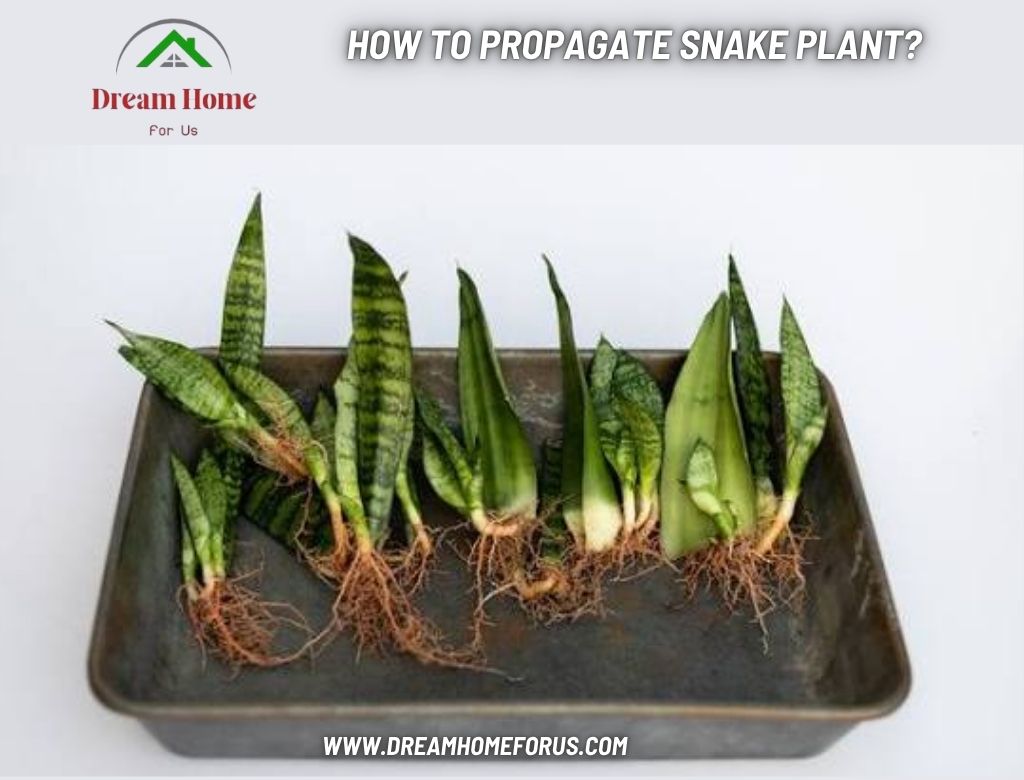
With regular snake plant care, your plant looks stunning for a long time. Once it matures, you can split healthy clumps during repotting to propagate more plants for other rooms in your home or give plants away as gifts! This makes the snake plant cost-effective and easy to grow for homeowners who love indoor gardening.
Frequently Asked Questions:
Q1: How often should a patio plant be watered?
A: Water only gets to completely dry soil. In a typical house, this is every two to four weeks, depending on the season and indoor environment.
Q2: In this article, you will learn: Do snake plants need direct sunlight?
A: No. Regularly watered, it thrives in bright, indirect light but copes with lower levels of illumination too. Do not be in direct sunlight for long hours during the harsh afternoon sun.
Q3: Snake plant has a variety of soil that is the best?
A: A fine-draining cactus or succulent potting mix is ideal, since it will prevent moisture build-up around the roots.
Q4: Is a snake plant good for beginners?
A: Yes. For those first-time plant owners, it is among the easiest houseplants to care for due to its tolerance of occasional neglect.
Q5: Does Snake Plant Enhance Home Décor?
A: Absolutely. With its minimalist upward-facing leaves, the plant brings presence and texture to the room, whether it has green or variegated color, and does not require much care.
Conclusion:
One of the easiest ways to capture a gorgeous, long-lasting plant inside is by learning snake plant care. Need to learn how to care for a snake plant healthfully all year long: perfect lighting, watering only when necessary, utilizing draining soil, and occasional maintenance make caring for this plant.
Be it to decorate a new home or enhance your indoor plant collection, appropriate snake plant care practices will ensure the success of your plant with minimal effort. Its classic style and durability make it perfect for creating a warm and welcoming ambiance that you can enjoy in the comfort of your home.

Related Posts

How to Keep Your Lawn Healthy Year-Round in Charleston

Philodendron Gloriosum Guide