
Garden Wall Retaining for Homes
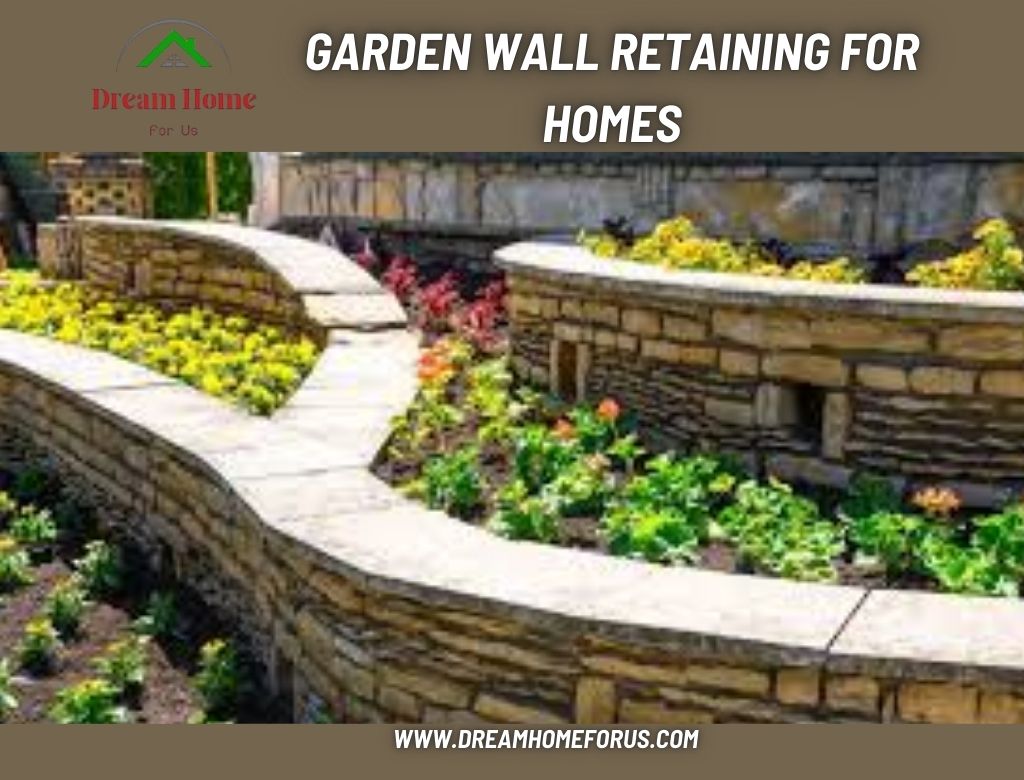
A great garden is more than just pretty flowers and shrubs; it’s about structure, stability, and smart design. Susan Paterson says that if you have irregular terrain, or your yard tilts one way when it rains and another as it dries, then installing a garden wall retaining structure can transform your outdoor world for the better. Safe, usable, and attractive for gardening environments is the best way to describe this simple yet highly effective landscaping system.
At DreamHomeForUs. com, we’re all about assisting homeowners in creating outdoor areas that are not only beautiful — and beautiful to come home to! One of the best ways to add both more appeal and value to your property.
In this guide, you will discover what retaining walls are and how they function, the typical problems that retaining walls address, and how you can utilize these materials to relieve outdoor stress by transforming your backyard into a tranquil and well-ordered garden.
Garden Wall Retaining: What is it?
A retaining wall in a garden can be built as another spot to sit. As opposed to traditional garden walls, which are only for aesthetics and design, a retaining wall must be built strong enough to hold back the pressure of soil and water. People often install these in yards that have slopes, hills, or frequent shifting of the soil.
These walls help to halt erosion, protect against flooding, and provide level areas atop which plantings or walkways, patios, and seating can be installed. Whether your garden is big or small, a retaining wall offers balance and stability to the landscape.
Why a garden wall retaining is a Must for Every Sloped Yard
If your yard is even a little bit sloped, you might be going through the following:
- Soil washing away
- Plants losing their roots
- Puddles forming after rain
- Muddy or unsafe walking areas
A properly designed garden wall retaining system addresses all of these and other issues by not only holding soil in place, but also guiding water in the right direction. It keeps your plants, landscaping, and even your home foundation safe from harm.
And best of all, it creates a beautiful, usable garden space in once unused or problem spaces.
Garden Wall Retaining Walls as Landscaping Tarray Solution:
With smaller design blocks now creating the same scene, we were familiar with the traditional style.
What is great about retaining walls, however, aside from their practical use, is the fact that they can also be stunning. You can make them in any shape you like to fit your home and garden style.
Here are some clever landscaping solutions:
- Terraced gardens that allow you to plant more stuff
- Elevated flower beds to enhance soil and drainage
- Seating walls for areas to relax outdoors
- Walkway and stairs in the wall
A retaining wall itself can be the focal point with the right design, not just a utilitarian structure.
Durable Garden Wall Retainers:
Selecting the right materials will be key to constructing a wall that endures for decades. Here are the most popular choices:
- Concrete Blocks
- For stacking, you can’t beat it: very sturdy and weatherproof. When it comes to contemporary poque, these are ideal.
- Natural Stone
- Delivers a classic, sophisticated look that enhances the appearance of gardens.
- Brick
- Ideal for traditional gardens and low retaining walls.
- Timber
Inexpensive, but higher maintenance.
Both materials have their pros and cons. The answer depends on your climate, budget, and garden style.
The Importance of Garden Wall Retaining and Drainage:
One of the most common oversights made by homeowners is drainage. Water forces against the wall, and without proper drainage, even the best-built wall can fail.
A good retaining wall includes:
- Gravel behind the wall
- Drainage pipes to divert the water
- Proper slope for water flow
These will protect your wall and keep your garden dry and happy.
Garden Wall Retaining Installation Tips:
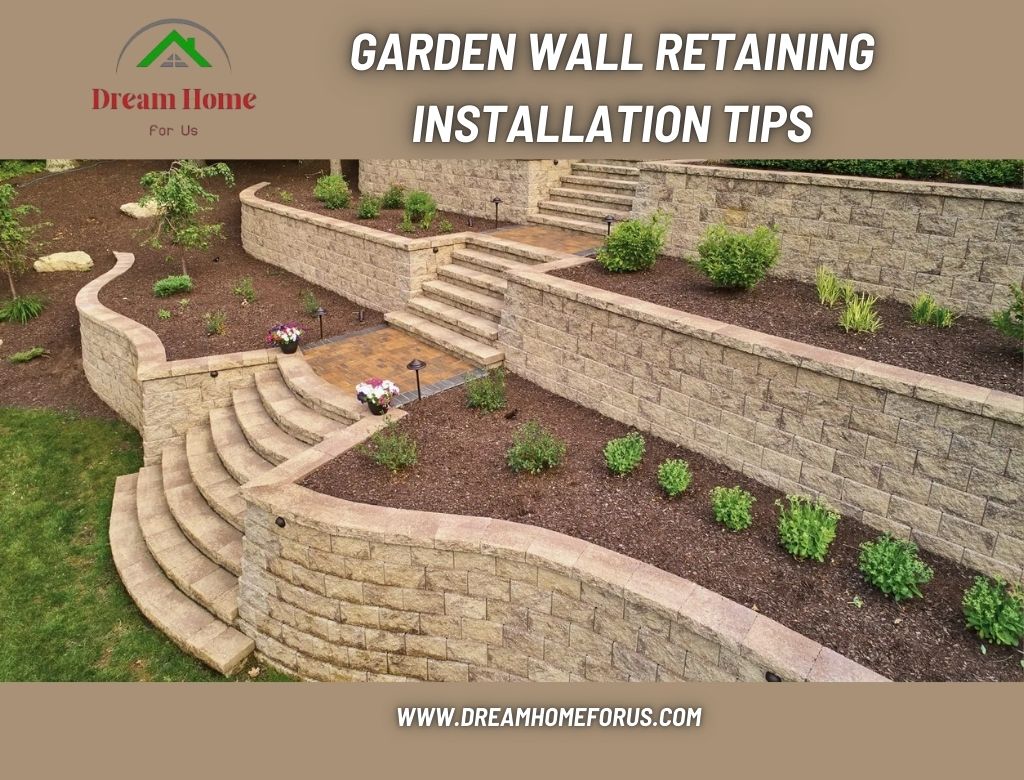
Small walls can be constructed as do-it-yourself weekend projects, while large retaining walls should be left up to professionals. Improperly built walls can collapse, cause water damage, or end up causing soil displacement.
Professional installers ensure:
- A deep and stable foundation
- Correct wall height and angle
- Safe drainage systems
- Long-term durability
At DreamHomeForUs. com A: Skip the laid-back work effort.
Retaining Wall Garden Maintenance and Care
For maintaining your wall in a pristine condition:
- Inspect it twice a year
- 2 Clean the drainage holes to clear out dirt and debris.
- Remove weeds or roots
- Watch for cracks or bulges
These straightforward techniques will help your wall last for decades.
Retaining Walls: Why they add so much to property value
The look of your garden appears well-thought-out and professional in the presence of a retaining wall. Buyers go crazy for houses that have clean, usable outdoor spaces. The presence of a robust garden wall retaining system is an indicator that the property has been cared for, and this can lead to a higher resale value.
Conclusion:
A good retaining wall will add value to your home or property and protect the environment. Used for erosion control, managing water run off, increasing safety, and turning otherwise unusable slopes into functional and inviting garden spaces. Whether it’s because you want to start growing flowers or you’re building a big patio area, retaining walls might just be the way that you can finally get your yard clean and stable.
With expert guidance from dreamhomeforus.com With these options above, you can transform your landscape into a solid, stylish, and stress-free outdoor escape.
Frequently Asked Questions
Q1: What is the lifespan of a retaining wall?
A: A well-constructed retaining wall will last 30 to 50 years, or more, depending on the materials and maintenance.
Q2: Can I create a small retaining wall on my own?
A: Yes, walls of less than 3 feet can be a do-it-yourself job, but larger ones will need to be done by professionals.
Q3: Is drainage required behind retaining walls?
A: Indeed, you need drainage to avoid water pressure and wall damage.
Q4: Do retaining walls add value to a home?
A: Yes, it increases the beauty of a landscape and creates a useful outdoor space.
Q5: What is the best material for a wall that will last a long time?
A: The hardiest choices are poured concrete, blocks and natural stone.

Related Posts
How to Keep Your Lawn Healthy Year-Round in Charleston

Philodendron Gloriosum Guide