Buying a home is one of the biggest financial decisions most people will ever make, and in North Carolina’s competitive real estate market, it’s easy to feel rushed through every step. Between negotiating offers, securing financing, and coordinating closing dates, the home inspection can sometimes feel like just another box to check. But a thorough inspection is one of the few opportunities buyers have to truly understand what they’re purchasing before the deal becomes final.
Whether you’re a first-time buyer going through the process for the first time or an experienced homeowner adding another property to your portfolio, understanding what to expect from a professional inspection can help you make a confident decision and avoid costly surprises later on.
Why Home Inspections Matter More Than You Think

A home inspection isn’t just a formality required by lenders or agents—it’s a comprehensive evaluation of a property’s condition, designed to uncover issues that aren’t visible during a casual walkthrough. Roof damage, outdated electrical systems, plumbing leaks, foundation cracks, and HVAC problems can all hide beneath a fresh coat of paint or well-staged furniture.
For buyers in North Carolina, where homes range from historic properties in cities like Raleigh and Wilmington to newer construction in growing suburbs, the range of potential issues can vary widely. Older homes may carry outdated wiring or plumbing that no longer meets current safety standards, while newer builds can still have construction defects that weren’t caught during initial walkthroughs. This is where working with a qualified, detail-oriented inspection team like Advantage Home Inspection NC becomes essential—experienced inspectors know exactly what to look for based on a home’s age, construction type, and regional building patterns.
What a Standard Home Inspection Covers
A comprehensive inspection typically examines every major system and structural component of a property. While specifics can vary by inspector and property type, most standard inspections include a review of the following:
Structural Components
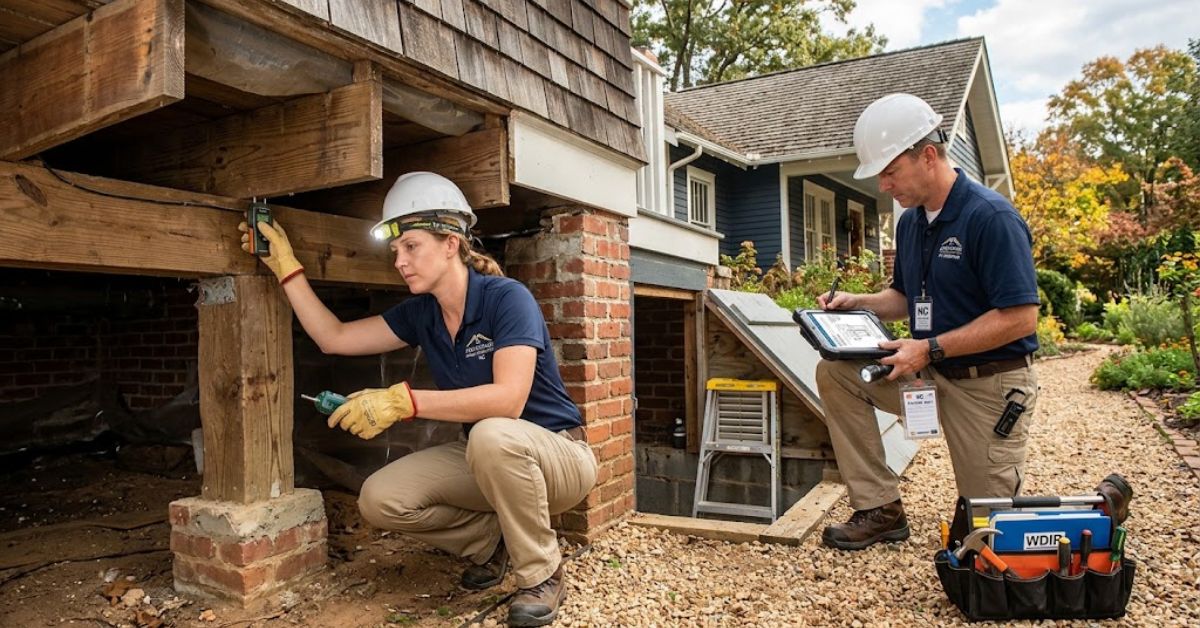
Inspectors assess the foundation, framing, walls, and roof structure for signs of settling, cracking, water damage, or structural weakness. In North Carolina, where humidity and seasonal storms can accelerate wear, structural integrity checks are especially important.
Roofing and Exterior
The condition of shingles, flashing, gutters, and drainage systems gets a close look. Poor drainage around a foundation can lead to long-term moisture problems, so inspectors pay close attention to grading and water flow around the property.
Electrical Systems
From the main panel to outlets and wiring throughout the home, electrical inspections identify outdated systems, potential fire hazards, and code violations that could pose safety risks.
Plumbing
Inspectors check for leaks, corrosion, water pressure issues, and the overall condition of pipes, water heaters, and fixtures.
HVAC Systems
Heating and cooling systems are tested for functionality, age, and maintenance history, since replacing an HVAC system can be a significant expense for new homeowners.
Interior and Attic Spaces
Insulation levels, ventilation, and signs of pest activity or moisture intrusion are evaluated in attics, crawl spaces, and basements.
Specialized Inspections Worth Considering
Beyond the standard inspection, certain properties or situations call for additional, specialized evaluations. These aren’t always required, but they can provide valuable peace of mind—especially in a state like North Carolina where environmental and pest-related risks are common.
Radon Testing
Radon is a naturally occurring radioactive gas that can seep into homes through foundation cracks and accumulate to unsafe levels. Since radon is odorless and invisible, testing is the only way to know if a property has elevated levels. Many buyers request radon testing as part of their due diligence, particularly for homes with basements or those built on certain soil types known to have higher radon potential.
Termite and Wood-Destroying Insect Inspections
North Carolina’s warm, humid climate creates ideal conditions for termites and other wood-destroying organisms. A termite inspection, often called a WDIR (Wood Destroying Insect Report), is frequently required by lenders and is a smart precaution even when it’s not mandatory. Catching termite damage early can save buyers from expensive structural repairs after closing.
Well and Septic Inspections
For properties outside municipal water and sewer service areas—common in many rural and suburban parts of the state—well water quality testing and septic system evaluations are critical. These systems can be expensive to repair or replace, making a thorough pre-purchase assessment well worth the investment.
Mold Assessments
Given North Carolina’s humidity, mold growth can be a concern in homes with poor ventilation or a history of water intrusion. A mold assessment can identify problem areas and help buyers understand the scope of any remediation needed.
Pricing and What You’re Paying For
One of the most common questions buyers have is how much a home inspection actually costs and what that price includes. Costs typically depend on the size of the home, its age, location, and whether any specialized inspections are added to the standard evaluation. Larger or older homes generally take more time to inspect thoroughly, which can affect pricing.
Transparent, straightforward pricing matters because it helps buyers budget accurately and avoid surprise fees. When researching inspection companies, it’s worth asking upfront what’s included in the base inspection price, whether specialized services like radon or termite testing are bundled or billed separately, and how quickly you can expect to receive your full report after the inspection is complete.
A detailed, easy-to-read report is just as important as the inspection itself. Look for companies that provide clear documentation with photos, plain-language explanations, and a summary of priority issues—not just a checklist of pass/fail items that leaves you guessing about severity or urgency.
How Inspections Help Sellers Too
While most people associate inspections with buyers, sellers can benefit significantly from a pre-listing inspection. Identifying issues before putting a home on the market allows sellers to address problems proactively. Potentially avoiding renegotiations or lost deals later in the process. A pre-listing inspection also demonstrates transparency to prospective buyers, which can build trust and streamline negotiations.
Real estate agents often recommend this approach for sellers who want to price their homes accurately. And avoid last-minute surprises that could derail a closing. Knowing the true condition of a property in advance gives sellers more control over the negotiation process. And helps set realistic expectations from the start.
What Can We Expect on Inspection Day?
For buyers, being present during the inspection—or at least attending the walkthrough at the end—is highly recommended. This gives you the chance to ask questions directly and see issues firsthand. And better understand the context behind what’s written in the report.
A typical inspection takes a few hours, depending on the size and condition of the home. Inspectors will examine the property systematically, often starting with the exterior and roof. Before moving through the interior, attic, and crawl spaces or basement. Many inspectors welcome questions throughout the process and are happy to explain their findings. In plain language rather than technical jargon.
After the inspection, you’ll typically receive a detailed written report, often within 24 to 48 hours. Outlining any issues found, their severity, and recommendations for repair or further evaluation. This report becomes an important tool during negotiations, helping buyers request repairs, credits, or price adjustments based on documented findings.
Choosing the Right Inspector for Your Needs
Not all home inspectors offer the same level of service, so it’s worth taking time to research your options. Look for inspectors who are properly licensed in North Carolina, carry adequate insurance, and have experience with the specific type of property you’re buying—whether that’s a historic home, new construction, or a property with well and septic systems.
Reading reviews, asking for sample reports, and confirming turnaround times can all help you gauge. Whether an inspection company will meet your needs. A good inspector should be willing to answer questions before booking. Explain their process clearly, and provide a report that’s genuinely useful for making informed decisions. Not just a document to file away.
Conclusion:
A home inspection is one of the most valuable steps in the buying or selling process, offering clarity and protection during a transaction. That involves significant financial and emotional investment. For North Carolina homeowners and buyers, understanding what a thorough inspection covers, from structural components. To specialized tests like radon and termite evaluations helps ensure there are no unwelcome surprises after closing.
Taking the time to choose a qualified, transparent inspection service. And actively participating in the process puts you in the strongest possible position. To make a confident, informed decision about one of life’s biggest purchases.
See more: What Homeowners Should Know Before Choosing a Real Estate Brokerage