
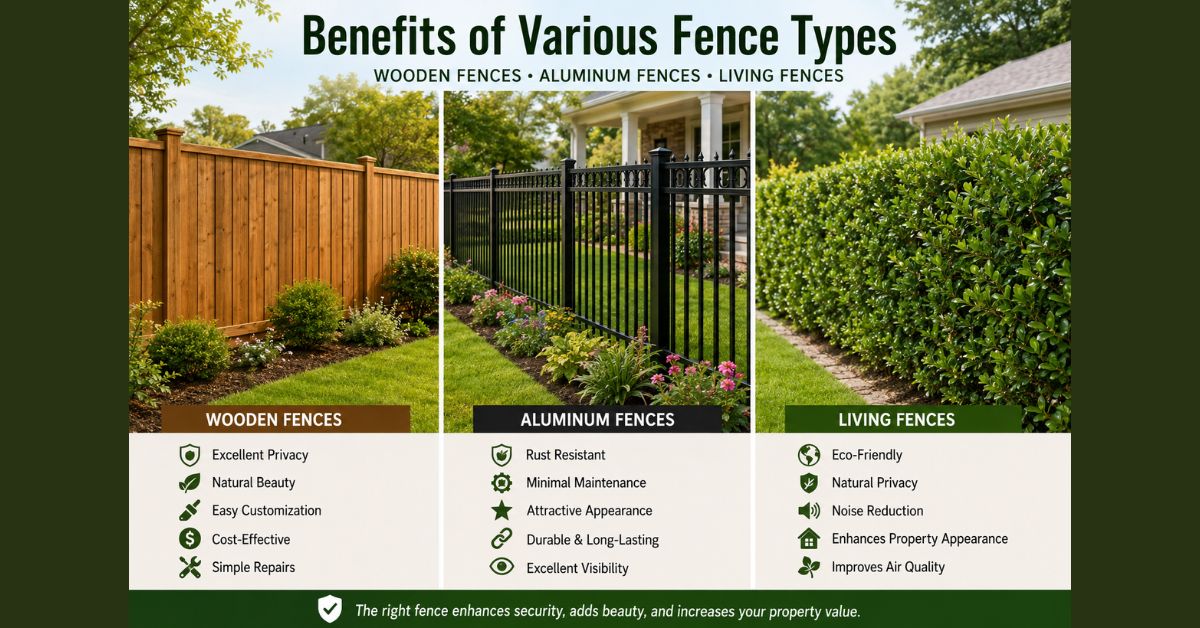
A fence is much more than a simple boundary around your property. It provides security, privacy, enhances curb appeal, and can even increase your home’s value. Whether you’re building a new home or replacing an old fence, selecting the right material is one of the most important decisions you’ll make. Different fence types offer different advantages depending on your lifestyle, maintenance preferences, and the appearance you want to achieve.
For homeowners in the Charleston Tri-County area, factors such as humidity, coastal weather, and property style should all be considered before investing in a new fence. Working with experienced professionals like FenceCraft can help homeowners understand which fencing solution best fits their property’s needs while ensuring professional installation and long-lasting performance.
Why Your Fence Choice Matters
Every fence serves a purpose, but no single material is perfect for every home. Some homeowners prioritize privacy, while others focus on appearance, security, or minimal maintenance. Choosing the right fence means balancing these priorities with your budget and the environmental conditions in your area.
A quality fence can:
- Improve privacy
- Increase property security
- Protect children and pets
- Boost curb appeal
- Raise property value
- Define property boundaries
- Reduce outside noise
- Complement your landscaping
Understanding the strengths of each fencing material makes it easier to invest wisely.
Wooden Fences: Timeless Beauty and Privacy
Wood remains one of the most popular fencing materials in residential neighborhoods. Its natural appearance blends beautifully with nearly every architectural style.
Advantages of Wooden Fences
Excellent Privacy
Wood privacy fences create a solid barrier between your property and neighboring homes. This makes them ideal for families who enjoy spending time outdoors without sacrificing privacy.
Natural Appearance
Unlike manufactured materials, wood provides a warm, organic appearance that complements gardens, patios, and outdoor living spaces.
Easy Customization
Wood fences can be painted, stained, or left unfinished depending on your preferred style. They also come in numerous designs, including:
- Privacy fences
- Shadowbox fences
- Board-on-board fences
- Picket fences
- Horizontal fences
Cost-Effective
Compared to many premium fencing materials, wood often provides excellent value while maintaining attractive aesthetics.
Repairs Are Simple
If one board becomes damaged, it can usually be replaced without rebuilding the entire fence.
Things to Consider with Wood
Although beautiful, wood requires periodic maintenance.
Homeowners should:
- Apply stain or sealant every few years
- Inspect for rot
- Replace damaged boards
- Clean mildew buildup
- Check for insect activity
Routine care significantly extends the lifespan of wooden fencing.
Aluminum Fences: Elegant and Low Maintenance
Aluminum fencing has become increasingly popular because it offers durability without the maintenance requirements of traditional materials.
Homeowners looking for long-lasting elegance often choose aluminum.
Professional installers such as fencecraftsc.com frequently recommend aluminum fencing for homeowners seeking an attractive, maintenance-friendly solution that withstands the coastal climate of South Carolina.
Benefits of Aluminum Fencing
Rust Resistant
Unlike iron, aluminum naturally resists rust, making it especially suitable for humid climates like Charleston.
Minimal Maintenance
Aluminum fences require very little upkeep.
Typically, homeowners only need to:
- Wash occasionally
- Inspect fasteners
- Remove debris around fence posts
There is no painting, staining, or sealing required.
Attractive Appearance
Aluminum fencing adds sophistication to:
- Front yards
- Swimming pools
- Gardens
- Driveways
- Historic homes
Decorative styles and ornamental tops further enhance visual appeal.
Durable Construction
Modern powder-coated aluminum fencing withstands:
- Heavy rain
- Coastal humidity
- Sun exposure
- Wind
- Corrosion
This makes it an excellent long-term investment.
Excellent Visibility
Unlike solid privacy fencing, aluminum maintains open sightlines while clearly defining property boundaries.
Many homeowners appreciate this balance between security and openness.
Living Fences: Beauty Meets Sustainability
Living fences use shrubs, trees, hedges, or climbing plants instead of traditional fencing materials.
They are becoming increasingly popular among environmentally conscious homeowners.
Benefits of Living Fences
Eco-Friendly
Living fences improve air quality while supporting local wildlife, birds, and pollinators.
Natural Privacy
Dense hedges gradually create excellent privacy without appearing harsh or artificial.
Noise Reduction
Thick vegetation naturally absorbs sound, helping reduce traffic and neighborhood noise.
Improved Property Appearance
Living fences add year-round greenery and seasonal color to your landscape.
Popular choices include:
- Arborvitae
- Boxwood
- Holly
- Bamboo (carefully managed)
- Privet
- Laurel
Temperature Benefits
Trees and shrubs provide shade that can help cool outdoor spaces during hot summers.
Considerations Before Choosing Living Fences
Living fences require patience because they take time to mature.
They also need:
- Watering
- Pruning
- Fertilizing
- Pest management
Homeowners seeking immediate privacy may prefer traditional fencing instead.
Comparing Fence Types
Privacy
- Wood: Excellent
- Aluminum: Moderate
- Living Fence: Excellent once mature
Maintenance
- Wood: Moderate
- Aluminum: Low
- Living Fence: Moderate to High
Lifespan
- Wood: 15–25 years with maintenance
- Aluminum: 30+ years
- Living Fence: Can last decades with proper care
Appearance
Each option offers unique visual benefits.
Wood provides classic warmth.
Aluminum offers modern elegance.
Living fences create natural beauty.
Climate Considerations in Coastal Areas
Charleston’s coastal climate includes:
- High humidity
- Salt air
- Heavy rainfall
- Strong storms
- Hot summers
These environmental conditions influence fencing performance.
Wood in Coastal Areas
Pressure-treated lumber performs well when properly maintained.
Regular sealing helps prevent moisture damage.
Aluminum in Coastal Areas
Aluminum performs exceptionally well because it resists corrosion and does not rust.
Living Fences
Native plants generally perform better than exotic species because they are adapted to local conditions.
Choosing Based on Your Lifestyle
Ask yourself several questions before selecting your fence.
Do you value privacy?
Wood or mature living fences may be ideal.
Do you prefer minimal maintenance?
Aluminum is likely your best option.
Do you enjoy gardening?
Living fences provide rewarding landscaping opportunities.
Do you have pets?
Wood and aluminum both provide excellent containment when properly installed.
Do you want maximum curb appeal?
Each material offers different aesthetic advantages depending on your home’s style.
Professional Installation Matters
Even the highest-quality fence can fail if installed incorrectly.
Professional installers understand:
- Local building codes
- Property line requirements
- Proper post depth
- Drainage considerations
- Material-specific installation techniques
Correct installation improves both durability and appearance.
Increasing Property Value
A professionally installed fence often increases home value.
Buyers appreciate:
- Added privacy
- Improved security
- Attractive landscaping
- Safe outdoor spaces
- Low maintenance features
A well-designed fence can become one of your property’s strongest selling points.
Maintenance Tips for Every Fence
Regardless of material, proper maintenance extends fence life.
Wood
- Clean annually
- Reseal every few years
- Replace damaged boards
- Inspect for insects
Aluminum
- Wash with mild soap
- Inspect hardware
- Remove debris around posts
Living Fences
- Water consistently
- Trim regularly
- Remove dead branches
- Monitor plant health
Small maintenance tasks prevent expensive repairs later.
Final Thoughts
Choosing the right residential fence involves balancing beauty, privacy, maintenance, durability, and budget. Wooden fences remain a timeless favorite for homeowners seeking warmth and privacy. Aluminum fencing offers exceptional durability with almost no maintenance, making it ideal for coastal environments. Living fences provide environmentally friendly beauty that grows more impressive over time.
By carefully evaluating your property’s needs and selecting quality materials installed by experienced professionals, you can enjoy a fence that protects your home while enhancing its overall appearance for many years to come. Whether your priority is privacy, elegance, sustainability, or long-term value, investing in the right fencing solution is a decision that benefits both your lifestyle and your property.