
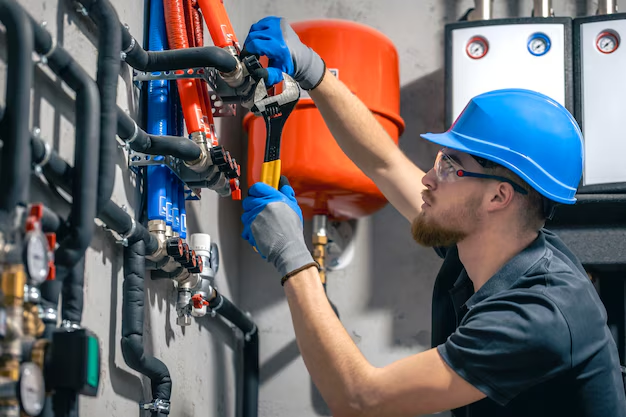
Plumbing tends to be invisible until it isn’t. Then it’s a lukewarm shower on a cold morning, a sink that takes ten minutes to empty, a stain blooming on the ceiling, or a whiff of something sulfurous near the stove. Suddenly it’s the only thing you can think about.
If you own a home in the Carolinas, it pays to know a little about how your plumbing ages and what it’s trying to tell you. This guide walks through four areas that generate a lot of service calls: gas lines, water heaters, drains, and repiping. It covers what to watch for, what’s reasonable to handle yourself, and when it’s time to call a licensed plumber.
Why Carolina Homes Have Their Own Plumbing Quirks
Plumbing trouble rarely comes out of nowhere. Usually it traces back to the age of the house, the materials in the walls, the water coming in, and the climate outside.
Along the coast and through the Lowcountry, humid air speeds up corrosion on exposed fittings, and soil that shifts over time can put stress on buried lines. Farther inland, hard water leaves mineral deposits that slowly choke flow and wear out appliances. Then there’s the age of the housing stock. Older homes may still have galvanized steel supply lines or cast iron drains that have long outlived their prime. Newer neighborhoods have their own issues, like drain lines with poor slope, fixtures that don’t suit how a household really uses water, or work that was rushed to meet a build schedule.
All of this is why a plumber who knows the area matters. Local contractors know the code, the common problems, and the habits of homes built in your part of the state. If you’re searching for Plumbing Mount Pleasant SC help, a licensed local company that covers gas work, water heaters, drains, and pipe replacement can save you from coordinating three or four different tradespeople for one problem. Before hiring anyone, ask about licensing and insurance, and get the estimate in writing.
Gas Lines: Respect the Risk
Natural gas and propane run a surprising number of things in a modern home: the range, the dryer, the furnace, a fireplace, the backyard grill, and often a tankless water heater. A leaking gas line is a different animal from a leaking faucet, so this is the one area where caution should come first.
What a Problem Looks and Smells Like
Natural gas has no odor of its own. Utilities add a sulfur-like scent so leaks are easy to notice, and most people describe it as rotten eggs. Other warning signs include:
- A hissing or whistling noise near a gas pipe
- Dead or discolored patches of grass above an underground line
- A pilot light that keeps going out, or a flame that burns yellow or orange instead of blue
- Headaches, dizziness, or nausea that seem to come on when gas appliances are running
If the smell is strong, don’t hunt for the source. Don’t flip a switch or make a call from inside the house. Get everyone out, then call your gas utility’s emergency number or 911 from a safe distance.
Leave the Installation to a Pro
Adding a gas range, a generator hookup, an outdoor kitchen, or a fire pit isn’t a weekend project. The piping has to be sized correctly, the fittings have to be right, and the finished work has to be pressure-tested. Many jobs also need a permit and an inspection. An undersized line can leave appliances short on fuel, and a sloppy connection can leak. A qualified plumber will test for leaks once the work is done and make sure the shutoff valves are easy to reach.
If you’re buying a house, have the gas connections and appliances looked at. Previous owners sometimes make changes that wouldn’t pass current code.
Water Heaters: Fix It, Replace It, or Rethink It
Water heaters are good at running unnoticed for years, then failing at the worst moment. Knowing roughly how long they last, and what the early warnings look like, lets you replace one on your schedule instead of mopping up after it.
When a Heater Is Telling You Something
Age is the first thing to check. A conventional tank often lasts somewhere around 8 to 12 years, depending on water quality and upkeep, and tankless models generally last longer with proper maintenance. Beyond age, pay attention to:
- Rusty or discolored hot water, which can point to corrosion inside the tank
- Rumbling or popping sounds, usually caused by sediment on the bottom of the tank, which also hurts efficiency
- Moisture around the base, since even a small leak can mean the tank is on its way out
- Wild temperature swings, which may come from a failed heating element, a bad thermostat, or a unit that’s simply too small for your household
Tank or Tankless?
A tank heater keeps a reservoir of water hot around the clock. It usually costs less to buy and install, and it suits a lot of households just fine. The trade-offs are heat lost while the water sits and a finite supply once the tank runs low.
A tankless unit heats water only when you ask for it. That can be more efficient and keeps hot water coming for larger households, but it typically costs more up front. Gas-fired tankless models may also need venting changes, a bigger gas line, or electrical work, which is why water heater upgrades and gas line work so often show up on the same job. A good plumber will look at your household’s hot water demand, the fuel you have available, and how your existing plumbing is laid out before steering you toward a particular model.
Maintenance Worth Doing
Flushing a tank now and then clears out sediment, and checking the temperature and pressure relief valve and the anode rod can add years to its life. If your heater is already well along in age and has never been serviced, though, let a professional take the first look. Older tanks sometimes start leaking once someone disturbs them.
Drains: A Slow Sink Is Often a Clue
A sluggish drain is usually the first sign that something is building up. Sometimes it really is just hair and soap in a bathroom sink. Other times it’s the opening note of a bigger problem further down the line.
The usual suspects are fairly predictable. In the kitchen, grease and food waste cool and harden inside the pipe. In showers and tubs, hair and soap scum do the damage. “Flushable” wipes and paper products don’t break down the way toilet paper does. Out in the yard, tree roots can work their way into an underground sewer line through tiny cracks or joints. Pipes can also settle and develop a sag where waste collects, or corrode and eventually collapse, particularly older cast iron and clay lines.
For a minor clog, a plunger or a hand snake will often do the trick, and cleaning the P-trap under a sink is a simple fix. Go easy on chemical drain cleaners. They can harm some pipes and fixtures, they’re hard on skin and eyes, and they rarely help when the real trouble is structural.
Call a plumber if several fixtures drain slowly at the same time, if toilets or drains gurgle when you run water somewhere else, if a sewage smell lingers, or if water backs up in a floor drain or tub. Those symptoms usually point to a blockage in the main line rather than one stubborn fixture. A plumber can run a camera through the pipe to see what’s actually happening, then use hydro jetting or professional cable equipment to clear the buildup. A camera inspection is also worth paying for before you buy an older home, since sewer line repairs are among the costliest plumbing surprises.
Repiping: When Patching Stops Making Sense
Repiping means replacing the lines that carry water through your house. It’s a bigger undertaking than a standard repair, but when the pipes are truly worn out, it can end the cycle of leaks, water damage, and deteriorating water quality.
Some signs that it may be time:
- Leaks keep appearing in different parts of the house
- Water pressure is low, and no single clogged fixture explains it
- The water looks brown or tastes metallic
- You can see corrosion, flaking, or green and white buildup on exposed pipes
- The home has older galvanized steel supply lines that have corroded from the inside
- The pipe material has a known history of failing
A single leak doesn’t mean the whole house needs new pipes, and an honest plumber will tell you when a targeted repair will do. But if you’ve paid for several repairs in a short stretch, repiping all or part of the house can end up being the cheaper path.
Most modern repiping jobs use PEX or copper. PEX is flexible and resists corrosion, and it’s often easier to route through walls, which can mean less demolition. Copper has a long track record and is still widely used. Which one makes sense depends on your budget, how your house is built, local code, and your water chemistry. Ask the plumber why they’re recommending a given material instead of taking it on faith.
The disruption is the part that worries most people, and a well-run crew plans around it. Ask how long the water will be off, how they’ll handle access holes in the drywall, who patches and repaints, and whether permits and inspections are part of the price. Getting the scope of work in writing heads off most misunderstandings.
Choosing a Plumber You Can Trust
The quality of plumbing work depends heavily on who does it. As you compare contractors, look for:
- Proper licensing and insurance. Check with the state licensing board instead of relying on someone’s word.
- A clear written estimate that spells out the work, the materials, and the total cost, and explains what happens if something unexpected turns up.
- Straight talk. A good plumber lays out your options, including the cheaper ones, rather than pushing the biggest job.
- A warranty on labor and materials, with a clear understanding of what it covers and for how long.
- Reasonable availability. When it’s a gas smell, a burst pipe, or a sewage backup, how quickly someone responds matters.
- A solid local reputation. Recent reviews that consistently mention showing up on time, keeping the work area clean, and following through are a good sign.
Be skeptical of bids that come in far below everyone else’s, pressure to sign on the spot, or any reluctance to put things in writing.
Habits That Head Off Expensive Problems
Many plumbing emergencies are avoidable, and the habits that prevent them are small:
- Learn where your main water shutoff and your gas shutoff are, and make sure every adult in the house can find them quickly.
- Let cooking grease cool and throw it in the trash instead of pouring it down the drain.
- Put screens over shower and sink drains to catch hair and debris.
- Flush toilet paper and nothing else. Wipes, cotton products, and paper towels go in the trash.
- Look under sinks and around appliances every few months for moisture or corrosion.
- Keep an eye on your water bill. A jump you can’t explain may mean a hidden leak.
- Have your water heater, gas appliances, and visible piping inspected periodically, particularly in an older home.
- Protect outdoor spigots and exposed pipes during the occasional Carolina cold snap.
None of it takes long, and together these habits can spare you a lot of repair work and water damage.
The Bottom Line
Gas lines, water heaters, drains, and supply pipes aren’t glamorous, but they quietly decide how comfortable, safe, and efficient your home is. Notice the early signals, whether that’s an odd smell, rusty water, a slow drain, or a leak that keeps coming back, and you’ll often catch a small problem before it turns into a big bill.
Know where DIY ends, especially with gas work and major repiping. Hire a licensed professional who explains things clearly and stands behind the job. With good information and the right plumber, your home’s plumbing can serve you reliably for many years.